
 Back to journal
In an era defined by rapid acceleration, the home has transcended its traditional role as a mere dwelling, evolving into a personal sanctuary—a space of aesthetic isolation and profound tranquility. The underlying philosophy shaping the future of interior design centers on a flawless harmony between visual silence and sensory richness. Looking closely at the approaches defining the upcoming years, it becomes evident that rigid, inflexible geometry is gradually yielding to organic, biomorphic lines. The boundaries separating space and object blur; furniture is no longer placed within a room but becomes an intrinsic architectural extension of it. The visual language grows ever more refined, emphasizing material authenticity, artisanal heritage, and spatial depth.
The Vanguard of 2026 Furniture Models
Within contemporary interior architecture, 2026 furniture models stand as a quiet manifesto of living well. Every curve and joint embodies both peerless craftsmanship and an ongoing dialogue with the surrounding environment. How a surface catches the morning light, the specific geometry of a cast shadow, and how a piece anchors the volumetric scale of a room are all meticulously calculated. No longer strictly utilitarian, these pieces assume sculptural identities that imbue spaces with a distinct aura. Particularly within open-plan living areas, monolithic volumes are increasingly softened by inviting, fluid transitions.
This subtle shift toward sensory-driven design is perhaps best exemplified by Poltrona Frau, a pillar of Italian leather mastery. The initial touch over full-grain leather, its inherent warmth, and the rich patina it develops over years of use create an experience far surpassing mere visual appreciation. Discerning tastes now favor this engaging, tactile aura over cold minimalism. The juxtaposition of organic leather against rigorous structural engineering redefines modern luxury as something deeply intimate, tactile, and enduring.
Material Truth and Organic Minimalism
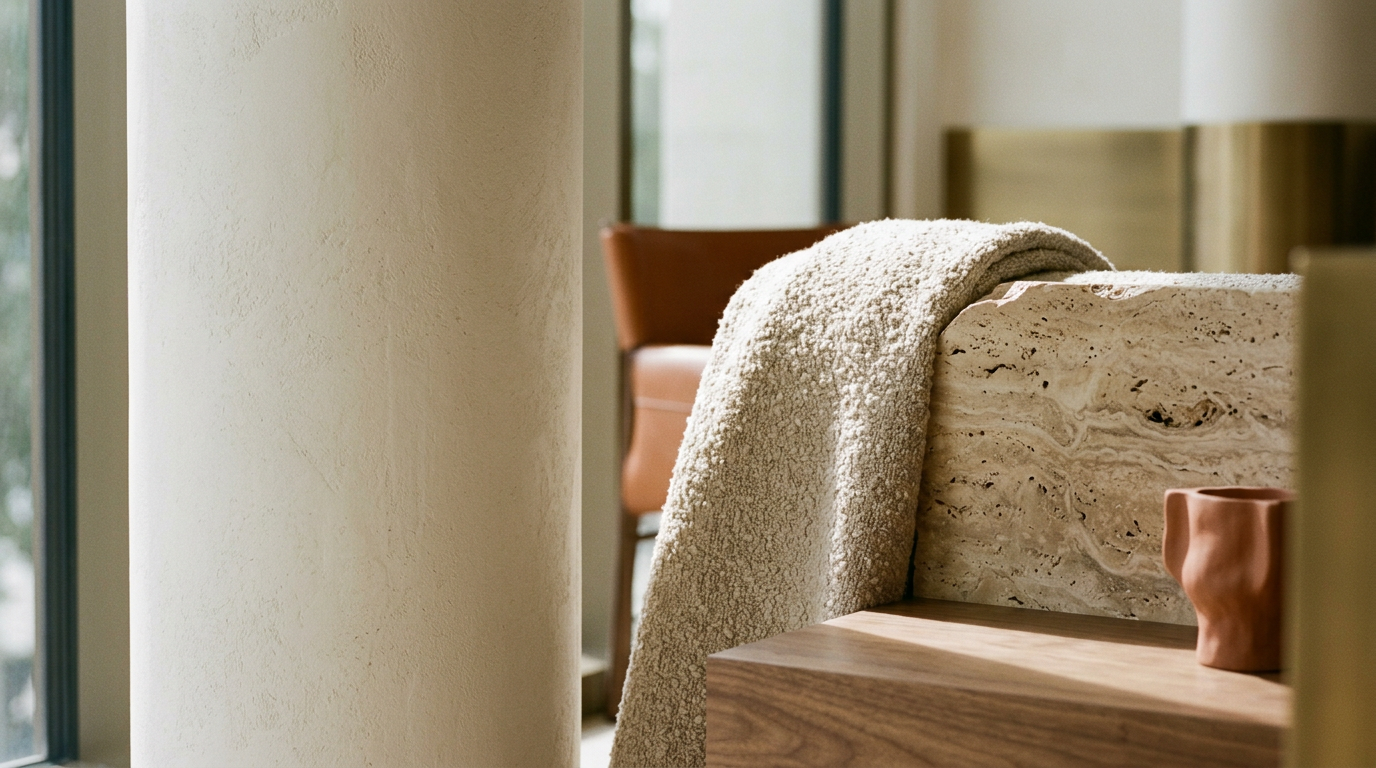
In the global vision for the future, presenting materials in their truest, most unadulterated state is paramount. The history captured within the grain of Canaletto walnut or the light, structured pores of solid ash is brought to the forefront through sophisticated milling techniques. A profound respect for natural textures grounds modern interiors, conferring a subconscious sense of stability and permanence on the dweller.
The artisans at Porada excel in working with solid wood, turning rugged timber into rhythmic, poetic forms. Their ability to sculpt wood with soft, rounded edges allows substantial pieces to command attention while maintaining visual lightness. Simultaneously, the curation ethos of Longhi demonstrates how rare marbles, distinctive metals, and precious woods can be layered to construct an environment that feels extraordinarily bespoke, rich in narrative and complexity.
Fluid Boundaries: 2026 Furniture and Spatial Flow
Closed, static room configurations belong to the past. The approaching era demands untethered movement and mindful comfort. The conceptual 2026 furniture landscape is entirely adaptable, emphasizing modularity without sacrificing elegance. Island-style seating arrangements redefine domestic flow, zoning expansive living areas without erecting visual barriers. Deep-seated sofas resting on virtually invisible plinths evoke a profound sense of safety and enveloping calm.
This expansive approach to upholstery ensures that pieces conform to human habits. Architectural rigor in the framework meets uncompromising softness in the cushions, resulting in silhouettes that remain taut, resilient, and aesthetically impeccable regardless of the passage of time. It is a commitment to longevity—both structural and stylistic.
Illumination as Sculptural Form
Furthermore, lighting an interior is no longer an afterthought but an integral component of the furniture layout itself. Lighting fixtures have evolved from pure utility into commanding ambient sculptures. The strategic placement of diffused light shapes our perception of space and volume. As material transparencies—such as curved glass—reflect and refract these artificial beams alongside natural daylight, the perceived weight of the room diminishes. This interplay forms a breathtaking contrast against dense, monolithic wood and rich leathers.
Global Furniture Trends and the Baku Aesthetic
Evolving furniture trends inevitably acquire a unique resonance when woven into a specific urban fabric. The architectural landscape of Baku is a fascinating study in contrasts, balancing deep-rooted heritage with sweeping, ultra-modern skylines. Within the distinguished residences along the Caspian shore, selecting the appropriate interior elements is a quiet yet confident declaration of the owner's aesthetic intelligence and cosmopolitan worldview.
Situated within the prestigious Raffle Tower in White City, the Casa D'Arte showroom introduces this global architectural shift to the heart of Baku. Every piece presented here is curated with a profound understanding of how future living spaces should feel. The vision for 2026 discards superfluous visual noise, championing instead a design ethos rooted in unyielding quality, tactile immersion, and a timeless, serene luxury.